
Greek names
Many connect with ideas such as wisdom, peace, light or life. Sofia, Irene, Elena and Zoe have international variants and familiar pronunciation in many countries.
Examples: Sofia · Irene · Elena · Zoe
A practical route to names with history: compare their sound, meaning and everyday fit before you make a family decision.
Girl names by origin turn a very long list into a meaningful search: choose a cultural tradition, then compare meaning, pronunciation and the way the name sits beside your surnames.
This guide uses four cultural families as a starting map. Origin is not a rigid label, and etymology cannot predict a child's personality. The useful work is to understand the story behind a name, say it aloud, and check how it will be written and heard in the country where the child will grow up.

Searching for girl names by origin adds a useful filter beyond trends. A family might follow a grandparent's language, remember a place or choose a word that expresses a hope. That context makes the decision easier to explain and keeps it from being based only on how often a name appears in a list.
Origin does not require one single tradition. It is normal to compare a Greek name with an Italian one, or a Nahuatl option with a form used in Spain. Separate documented etymology from modern associations and regional use so the story you tell remains honest.
A short meaning is only the beginning. Many etymologies pass through several languages and change shape in a new country. Note the root, the most accepted translation and the spelling variants. In names such as Sofia or Chiara, an accent, double consonant or first letter can change pronunciation without erasing the cultural link.
It also helps to check usage. A name can be traditional in one region and unfamiliar in another, which affects how teachers, relatives or classmates read it. When a fact has multiple interpretations, explain that uncertainty instead of presenting a popular association as settled history.
After research comes a concrete test: say the full name several times. Try a formal introduction, an everyday call and a nickname. Notice the stress, repeated syllables and whether the final vowel of the first name runs into the first surname.
Girl names by origin may use spellings that are not obvious to every speaker. Write a small pronunciation guide for the family and decide whether the child will use a local or international form. This early conversation prevents daily corrections and protects the story behind the choice.
A name does not automatically make a family part of a culture. If you choose an Arabic, Nahuatl, Greek or Italian name out of admiration, explain its history without assigning personality traits or using symbols you do not know. When there is a real family connection, ask the people who keep that language or tradition to share its nuance.
Pronunciation and respectful use matter as much as beauty. Do not present a modern variant as the only authentic form, and avoid claims about luck, character or destiny. Clear information lets a family celebrate a reference without turning it into a stereotype.
Start with six names: two from your favorite tradition and one from each route you want to compare. Write the meaning, pronunciation, international variant and the full name with both surnames. Remove choices that require too much explanation or create spelling doubts in the country where they will be used.
Keep three names that sound natural for a baby, a student and an adult. Use them in real sentences for a few days: a medical appointment, a congratulations message and a formal introduction. The name that stays clear in each setting is usually stronger than one that only looks impressive on a list.
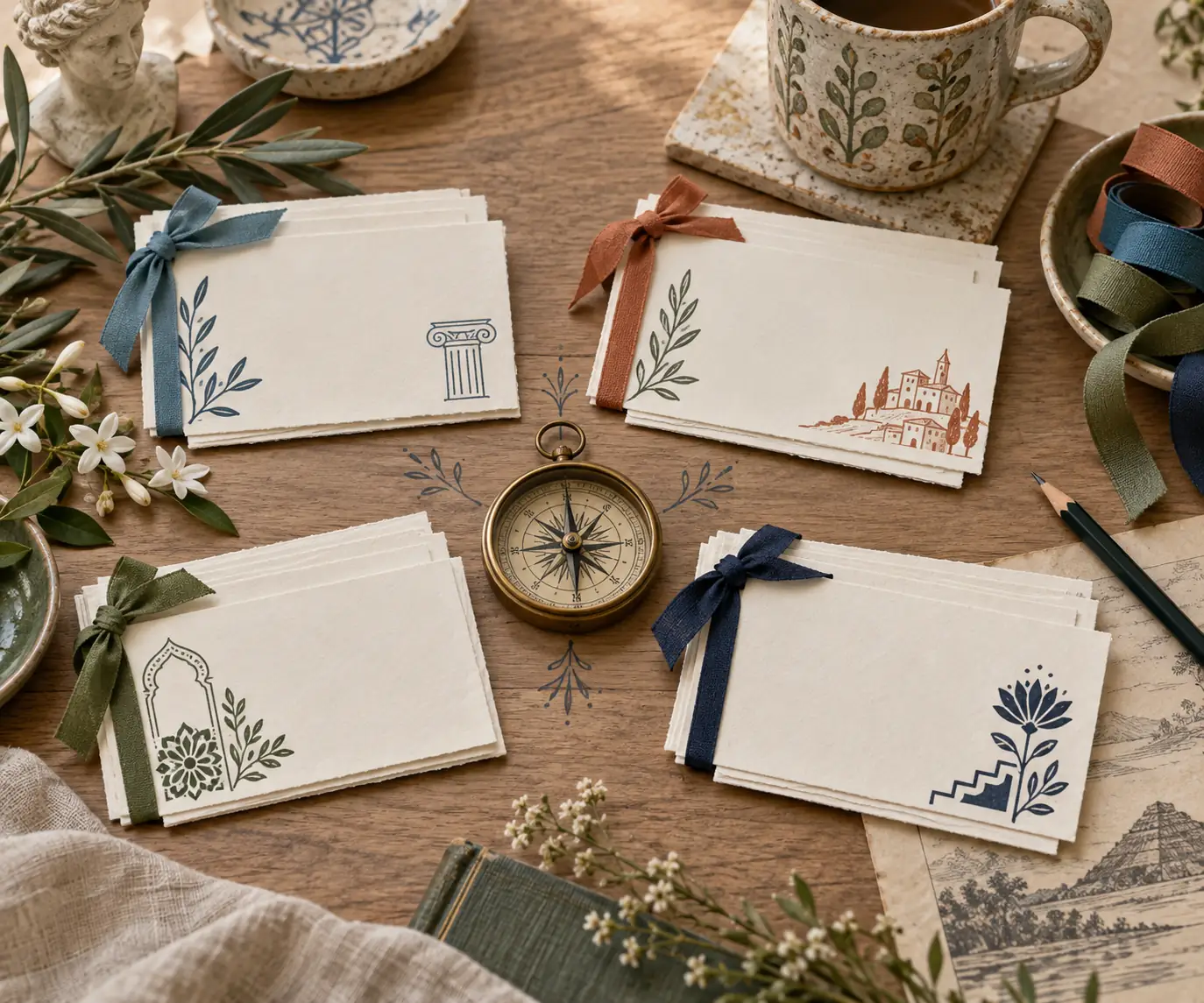
Each tradition brings different sounds, spellings and associations. These cards are an editorial map for further research, not a closed list or a ranking of cultures.
Many connect with ideas such as wisdom, peace, light or life. Sofia, Irene, Elena and Zoe have international variants and familiar pronunciation in many countries.
Open vowels and a warm cadence make them easy to say. Giulia, Bianca, Chiara and Alessia keep an Italian reference while remaining fluid in Spanish.
They may connect with virtues, flowers, light or character. Amina, Lina, Layla and Noor show how a short spelling can vary by region and transliteration.
They carry links to nature, sky and Mesoamerican memory. Xochitl, Citlali, Itzel and Metztli deserve careful pronunciation and local context.
The strongest choice is not the most exotic one. It is the name that keeps its story while working in your family's daily life.
| Origin | Sound impression | Useful check | Examples |
|---|---|---|---|
| Greek | Clear vowels and classical echoes | Accent and written variant | Sofia, Irene |
| Italian | Open, melodic rhythm | Double consonants and pronunciation | Giulia, Chiara |
| Arabic | Soft or contrasting sounds | Transliteration and region | Amina, Layla |
| Nahuatl | Marked syllables and nature | Pronunciation and cultural context | Xochitl, Citlali |
Use this path when you have too many options or when two names seem equally appealing.
Write what you want to honor: a language, place, person or meaning.
Check etymology, accent, variants and pronunciation in a clear source.
Say the first name, surnames and nickname in everyday situations.
Keep three finalists, return to them after a few days and decide without pressure.
A short review lets emotion and information carry equal weight.
These answers help turn a broad cultural search into a practical decision.
Pair this guide with the Nombres de Niña finder to filter by origin, style and first letter, then keep only the options that sound right in your own family.
Open the name finder